Do I Need To Book A Seine River Cruise Ahead Of Time?
No, for most Seine cruises you don't. Sightseeing boats are walk-up friendly, but dinner and evening cruises sell out and are booked roughly 45 days ahead. Here's how to know which applies to your trip.
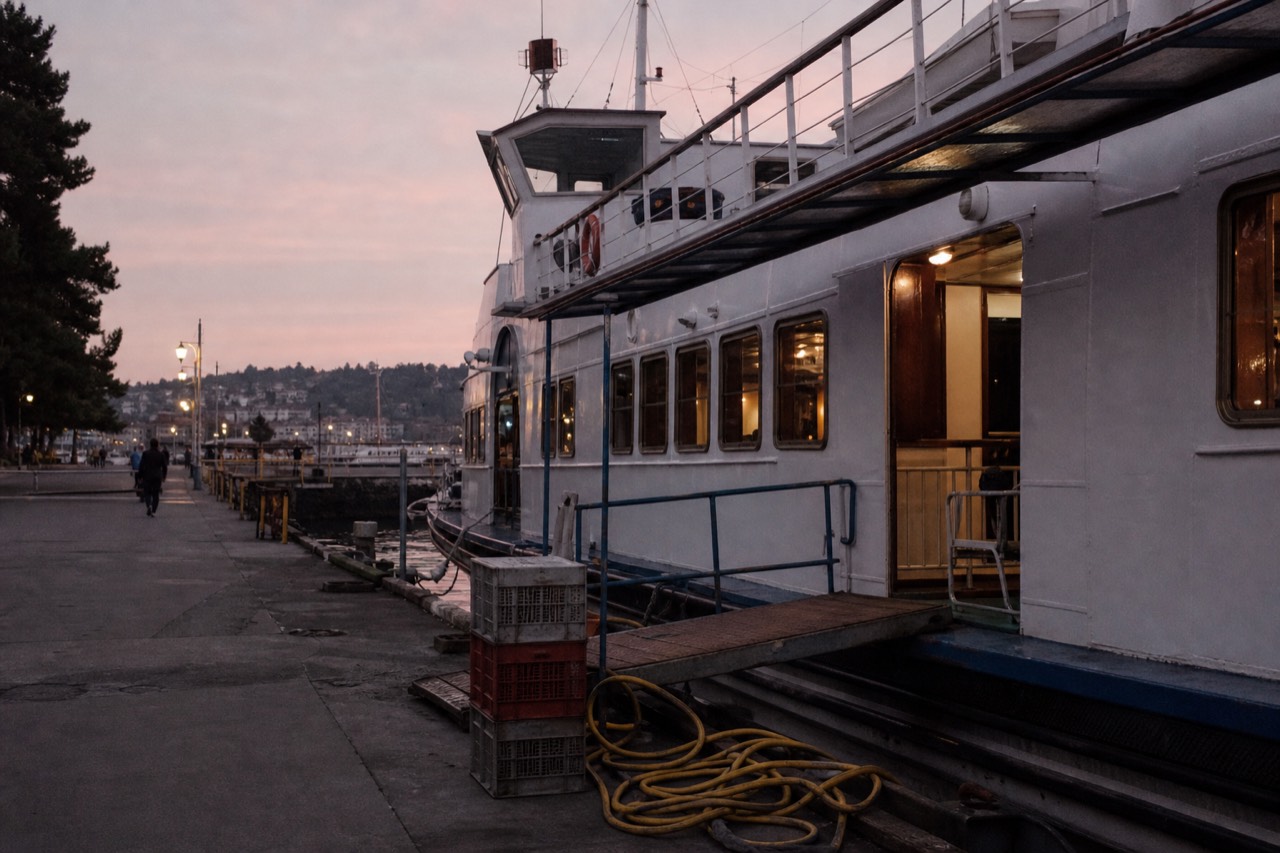
Do I Need To Book A Seine River Cruise Ahead Of Time?
No for a standard one-hour sightseeing cruise, which departs every 30 to 60 minutes and can usually be bought the same day at the dock, and effectively yes for dinner and evening cruises, which sell out and are booked roughly 45 to 47 days ahead on average. The dividing line is whether a seat and a meal are involved.
That single distinction answers most of the question. A sightseeing cruise is a turnstile product: boats leave frequently, carry hundreds of passengers, and nobody has an assigned chair. A dinner cruise is a restaurant. There are tables, place settings, a fixed menu, and a kitchen that can only serve so many covers per sailing. Restaurants in a city that drew close to 49.1 million tourists in 2025 fill up, and so do floating ones.
The data backs this up. Listing data across the major booking channels, current into 2026, shows dinner and evening cruises being booked about 45 to 47 days in advance on average. Sightseeing cruises show nothing of the sort: operators themselves recommend arriving just 15 to 30 minutes early, and same-day or short-notice purchases are routine. One caution from real reviews: pre-purchased tickets do not always spare you the queue, with documented waits of 15 to 60 minutes or more in peak periods.
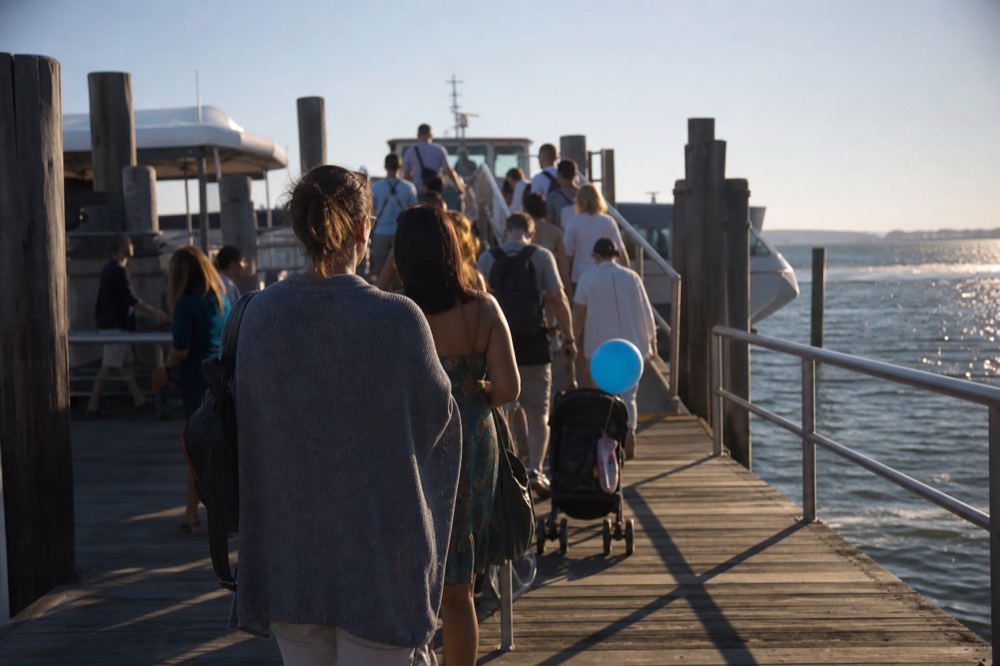
A useful frame for deciding: if your cruise has a departure time you must commit to and food served at a seat, book it as soon as your dates are fixed. If it is a hop-on-style boat or a simple loop with open seating, buy online for convenience if you like, but do not lose sleep over timing. The practical middle ground, buying an open or flex e-ticket that stays valid for months, is covered below.
How Far Ahead Should You Book A Dinner Cruise?
Book dinner cruises as soon as your travel dates are locked, and treat anything inside about three weeks as risky for weekend and summer sailings. Listing data into 2026 shows these products booked roughly 45 to 47 days ahead on average, and the flagship Bateaux Mouches dinner cruise is a genuine sell-out risk in peak season.
That 45 to 47 day figure deserves unpacking, because it is an average, not a deadline. It means the typical buyer of a Seine dinner cruise is reserving a table a month and a half out, which in turn means that by the time you are two weeks from your date, the good tables, window seats especially, may already be gone. Peak season compresses everything further. Summer evenings, Valentine's Day, Bastille Day and the year-end holidays are the pressure points, and special-event sailings can disappear far earlier than the average suggests.
The flagship case is the Bateaux Mouches dinner cruise: about 2 hours 15 minutes, a 3- or 4-course à la carte French menu with wine or Champagne pairing options, live piano and violin music, and boarding around 7 to 8pm from Port de la Conférence near Pont de l'Alma, from $133 per person. Fresh reporting on peak-season demand marks it as a frequent sell-out. If that is the product you want, waiting until you arrive in Paris is a plan with a real failure mode.
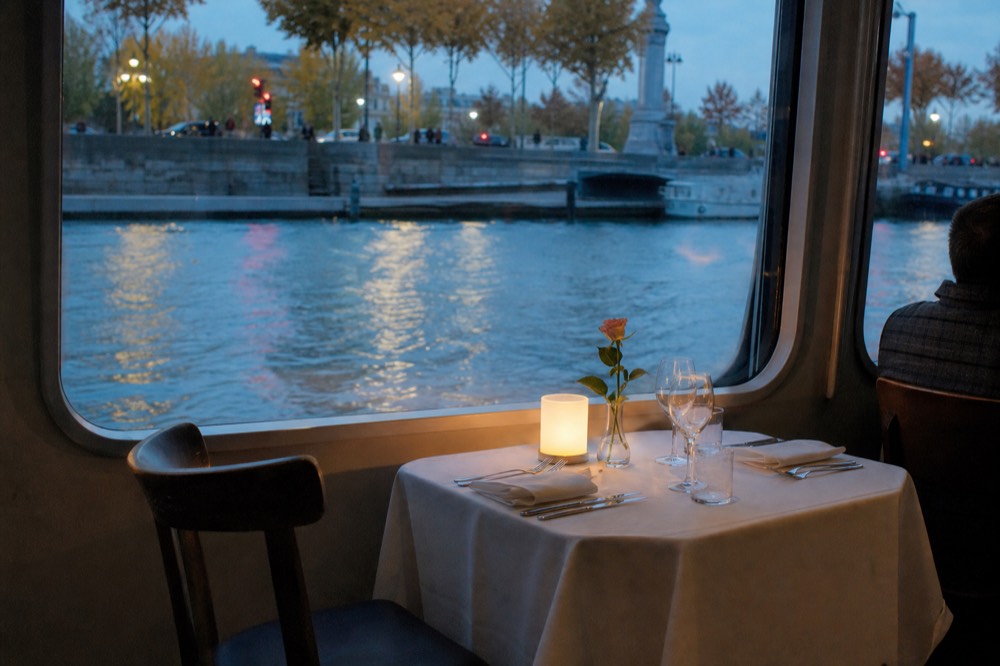
The same planning logic applies to other seated cruises. Paris Seine’s three-course dinner departs beside Musée d’Orsay, while Paris en Scène’s bistro cruise departs from Port de Javel Haut. Check the selected option’s seating, departure time and boarding instructions rather than assuming every meal cruise has the same layout.
Here is how the main dinner and evening products compare on the factors that actually drive how early you must commit:
| Cruise | Duration | Price | Booking pressure |
|---|---|---|---|
| Bateaux Mouches dinner cruise | About 2h15m | From $133 per person | Highest, frequent peak-season sell-out |
| Bateaux Parisiens 3-course dinner | Multi-hour evening | From $101 per person | High, book weeks ahead |
| Paris en Scène bistro dinner | 1h45m | From $76 per person | Moderate, capacity around 140 |
| Vedettes de Paris Champagne evening cruise | Duration not stated | From $38 per person | Lower, small review base but live listing |
| Bateaux Parisiens evening Champagne cruise | 1 hour, April to September | From $45 per person | Moderate, seasonal departures only |
Note the last two rows: non-dining evening cruises sit in a middle zone. They lack the kitchen bottleneck, so they sell out less often, but the seasonal ones, like the April to September departures from near Notre-Dame, only exist for part of the year, which concentrates demand into fewer sailings.
Are Sightseeing Cruises Walk-up Friendly?
Yes, strongly. Standard one-hour sightseeing cruises run every 30 to 60 minutes depending on season, boats carry hundreds of passengers, and operators themselves recommend only a 15 to 30 minute early arrival. Same-day tickets at the dock are normal, though buying online first can shorten the ticket-office line.
Walk-up works because the economics of the product demand it. Operators like Bateaux Parisiens and Bateaux Mouches run high-frequency loops all day, and an empty seat on the 3pm sailing earns nothing after the boat departs. They are built to absorb walk-up demand. The Bateaux Parisiens one-hour cruise from the Eiffel Tower, from $21 per person with a 4.4/5 rating and close to 90,000 reviews, is the most-booked product of this type in the set, and it still operates on a show-up-and-board basis.
Two honest caveats keep the walk-up story from being oversold. First, walk-up means you can buy on the day, not that you will board the next departure: peak-period reviews from 2025 and 2026 document queues of 15 to 60 minutes and occasionally longer, even for holders of pre-purchased tickets. Second, the online price is often a touch lower than the dock price. Across operators, 2026 online sightseeing prices run roughly EUR 15 to 21, with Vedettes du Pont Neuf at the low end and the Batobus day pass highest at EUR 23.
The walk-up picture by product type, at a glance:
| Product type | Typical frequency | Walk-up viability | Recommended early arrival |
|---|---|---|---|
| 1-hour sightseeing loop | Every 30-60 minutes, season dependent | Excellent, same-day normal | 15-30 minutes |
| Hop-on hop-off Batobus | Roughly every 15-40 minutes | Excellent, transport ticket | Minimal |
| Evening Champagne cruise | A few fixed departures nightly | Good off-peak, tighter in summer | 30 minutes |
| Dinner cruise | Fixed seatings around 6:15pm to 9:15pm | Poor, book ahead | Boarding well before sailing |
For a fuller comparison of operators, timings and what each one is like on the water, our guide to Seine cruise prices in Paris breaks the whole category down.
Do You Still Need To Arrive Early With A Pre-booked Ticket?
Yes. Follow the early-arrival instructions for the exact cruise you buy: Vedettes de Paris’s guided hour asks for 20 minutes, and the lunch cruise asks for 30 minutes. A pre-booked ticket does not automatically bypass security or the boarding queue.
This is the part of the question travelers most often get wrong. The mental model of "booked ahead, so I skip everything" fits a museum with timed entry, not a boat with a gangway. Everyone boards through the same pontoon, bags are often checked, and on popular evening sailings the queue can stretch well past the scheduled departure. One real October 2025 review also flagged a premium "Premiere" seat upgrade that did not deliver the promised view because of an obstructed window, a useful reminder that paid seat classes deserve scrutiny, not just booking speed.
Timing around daylight matters as much as queue management. If your goal is the illuminated Eiffel Tower, know that it sparkles for five minutes at the start of every full hour after dusk, until midnight in the off-season and 1am in summer. Evening cruise departures, roughly 6:15pm, 8:15 to 8:30pm and 9:15pm slots, are timed so that later sailings usually catch the sparkle. That is an argument for booking a specific evening departure ahead rather than gambling on a walk-up slot at the hour you actually want.
When Does Booking Ahead Not Matter At All?
Midweek, off-season sailings and hop-on-hop-off river passes are the cases where advance booking buys you little. Batobus boats run roughly every 15 to 40 minutes, a full loop takes about 1 hour 45 minutes to 2 hours, and the pass is priced as transport, at EUR 23 for 24 hours or EUR 27 for 48 hours.
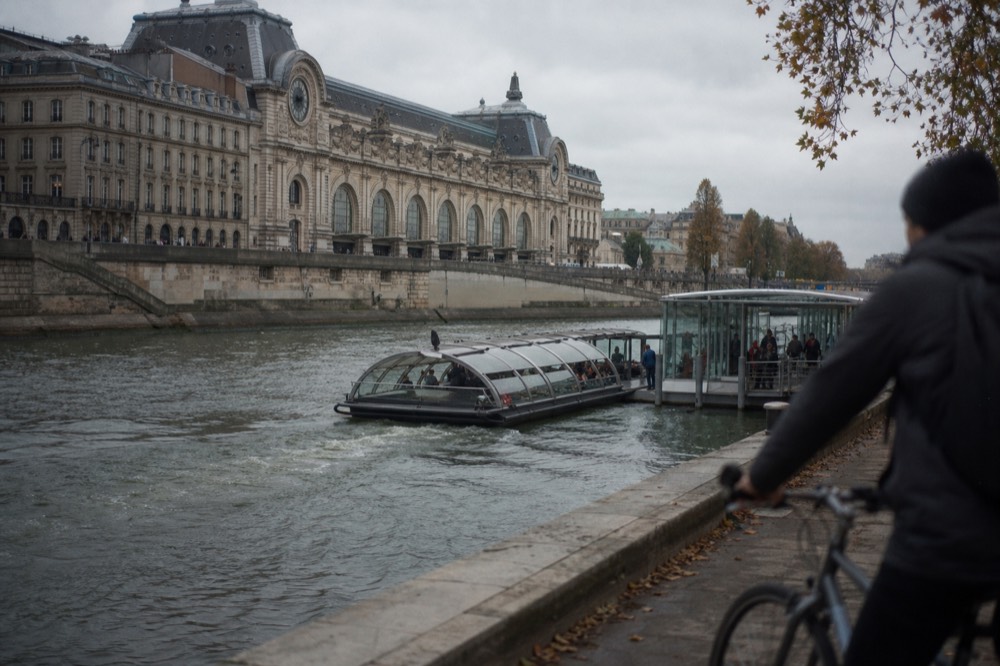
The Batobus deserves its own honesty note, because it is frequently miscategorized. It is a shuttle, not a tour: there is no live guide; instead, there are glass-enclosed boats with a terrace stopping at nine points including the Eiffel Tower, Musée d'Orsay, Notre-Dame and the Louvre. Sentiment in recent traveler reviews is consistent, praising it as flexible river transport between sights and dinging the absence of commentary. If your day is Eiffel Tower in the morning and Louvre in the afternoon, it is a genuine tool. If you want a narrated scenic loop, book a standard cruise instead.
Off-season timing also relaxes everything. A Tuesday in November is not the same market as a Saturday in June: dinner cruises still merit booking, because kitchens have finite capacity year-round, but the pressure drops sharply, and sightseeing walk-ups become trivially easy. One quirk worth knowing is the Navigo discount: Batobus offers holders of the Paris transit pass a 24-hour ticket at about EUR 18 versus the standard EUR 23, purchased at the booth rather than online.
A final planning point that trips people up: the Paris Museum Pass does not include any Seine cruise, from any operator. Travelers sometimes assume a sightseeing cruise rides along with the pass, and it does not. Our piece on Seine cruise tickets and booking covers what passes do and do not buy you.
So Should You Book Before You Fly?
Book the dinner cruise and any special-event sailing before you fly, ideally six weeks out to match the roughly 45 to 47 day average booking window. Buy sightseeing tickets online for the small discount and shorter line, or simply walk up on a midweek day. The only genuinely costly mistake is treating a July or August dinner cruise like a walk-up product.
Everything above compresses to a short checklist. Fixed-date, fixed-menu products: book early, choose your sailing time around the Eiffel Tower sparkle if that is the goal, and expect a dress code of smart casual minimum on dinner boats. Turnstile products: book online the night before, or walk up, and arrive early enough to claim the deck seat you want. River transport: buy the Batobus pass whenever you like, and check whether your transit pass earns you the discounted rate at the booth.
One structural point on cancellations and flexibility is worth weighing as you book. Many sightseeing operators sell open or flex tickets that stay valid for months, which makes an early online purchase nearly risk-free even if your plans wobble. Dinner cruises are more firmly committed affairs, so check the operator's cancellation terms on the live listing before paying, rather than assuming restaurant-style leniency. Before you commit to any listing, it is also worth knowing which cruises are worth avoiding in the first place. As with everything on this site, our advice at Cruise in Seine River leans on verified figures, and where a number was not confirmable we say so rather than print a guess. For more on timing your whole day on the water, see our guide to the best time for a Seine River cruise.
The short version of everything above: sightseeing cruises can be bought on the day, dinner and evening cruises should be booked about six weeks ahead, pre-booked tickets do not exempt you from the boarding queue, and no city pass includes a cruise. The six questions below cover the specific cases travelers ask about most.
Common Questions About Booking A Seine Cruise
Do I need to book a Seine River cruise ahead of time?
Not for standard sightseeing cruises, which run every 30 to 60 minutes and sell walk-up tickets routinely. Yes for dinner and evening cruises, which are booked roughly 45 to 47 days ahead on average and can sell out in peak season.
How far in advance should I book a Seine dinner cruise?
Aim for about six weeks ahead, matching the 45 to 47 day average booking window for dinner and evening products. For weekends, summer evenings, Valentine's Day and year-end holidays, earlier is safer, since window tables go first.
Can I buy a Seine cruise ticket on the day?
Yes for sightseeing cruises. Boats depart frequently and carry large passenger loads, though the online price is often slightly lower than the dock price, and peak-period queues of 15 to 60 minutes are documented even with pre-purchased tickets.
Does the Paris Museum Pass include a Seine cruise?
No. The Paris Museum Pass covers museums and monuments only and includes no Seine cruise from any operator. Cruise tickets must be bought separately, either online or at the dock.
How early should I arrive for a Seine cruise?
Plan on 15 to 30 minutes early for a sightseeing sailing, and 30 to 45 minutes if you want an upper-deck railing seat on a popular evening departure. Dinner cruises require boarding well before the sailing time, typically around 7 to 8pm for evening departures.
Is the Batobus hop-on hop-off pass something I need to book ahead?
No. Batobus passes are transport tickets, valid for unlimited hopping during operating hours, and can be bought at the booth on the day. Navigo pass holders get a discount, about EUR 18 versus EUR 23 for 24 hours, at the point of sale.
Your Next Step On The Seine
Seine River Guided Cruise by Vedettes de Paris
Know which day you want to sail? Check the guided cruise’s schedule before arranging nearby visits, and allow its stated 20-minute early arrival.
one-hour electric sightseeing cruise with live English/French guide from Eiffel Tower. Champagne/snack upgrades optional. 60 minutes cruising; arrive 20 minutes early. Allow 80 minutes including boarding. Travel to the pier is extra.
Adjust Your Choice And Compare Costs
Start with this general recommendation, or choose what matters to you. Durations are listed with each option. Allow additional time to reach the meeting point and check in.
- Seine River Guided Cruise by Vedettes de Paris
- one-hour electric sightseeing cruise with live English/French guide from Eiffel Tower. Champagne/snack upgrades optional. 60 minutes cruising; arrive 20 minutes early.
- Paris : 3-Course Gourmet Dinner Cruise on Seine River
- Paris Seine by Musée d’Orsay; exact option-specific map provided when booking. Cruise aboard glass-enclosed boat; Three-course dinner; Coffee or tea; Champagne only when corresponding option selected. Not suitable under 3 years; Not suitable wheelchair users; No pets, smoking, large bags; Vegetarian options documented.
- Paris: Hop-On Hop-Off Seine Cruise Pass with 9 Stops
- 24- or 48-hour pass from first boarding. Hop on/off at nine stops, with heated cabin and terrace. Journey and waiting time depend on stops. Not suitable for wheelchair users; folding strollers only. No guided commentary.
Choose a date to see published departures. Seats and final prices are confirmed on Viator.
No listed experience fits those choices. Adjust the experience or time, or reset to the general recommendation.